
Ketamine Infusions for Chronic Pain
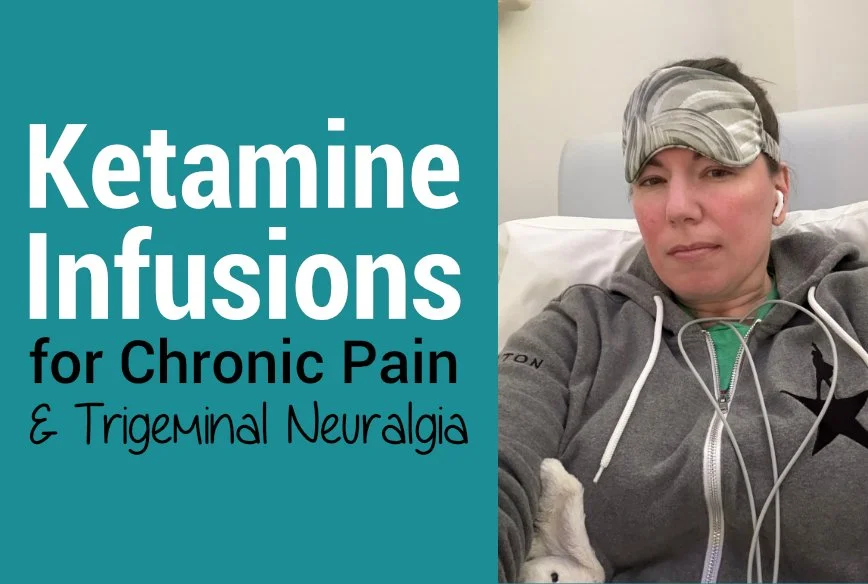
Ketamine. The wonder drug for chronic pain.
Ketamine infusions can be the answer for “I don’t know what else to do for your pain”. At least that’s the case for me. I’ve tried all the medications, worked closely with my pain management doctors, neurologist, and neurosurgeon. We all view ketamine as the last ditch effort to ease my pain levels from Trigeminal Neuralgia before we look at more invasive, and likely damaging, surgeries.
Ketamine infusions for pain is considered an “off-label” treatment option for severe, chronic pain conditions and is commonly used for neuropathic pain that has not responded to conventional therapies.
The main job of ketamine is to block the N-methyl-D-aspartate (NMDA) receptor. For those struggling with chronic pain, the NMDA receptor can become overactive, amplifying pain signals sent to the brain. When ketamine works to block the NMDA receptor, this process is disrupted and can reduce the brain's perception of pain. When used for Trigeminal Neuralgia, ketamine can improve quality of life by reducing pain intensity and frequency, and make talking and chewing easier.
Ketamine infusions are commonly used for chronic, refractory pain conditions, such as:
Complex Regional Pain Syndrome (CRPD)
Neuropathic pain (nerve pain), like Trigeminal Neuralgia (TN)
Fibromyalgia
Phantom Limb Syndrome
Cancer pain
Where are Ketamine Infusions done?
Ketamine infusions are done intravenously and are administered under medical supervision in a hospital, clinic, or private clinic environment. Depending on your area and needs, it could be possible to have the infusion done in your home.
In my experience, I received 5, 45 minute infusions done over 5 days in an outpatient hospital clinic. With infusion and recovery time, my total time spent per infusion was about 1.5 hours.
What is the infusion room like?
While I can only speak about my own experience, expect to be in a dark, quiet room. Ketamine works best without additional environmental stimulants. Infusion chairs are used to help make you comfortable. You can choose to sit up, recline, or lay down completely. To enhance your floating feeling, take all the pillows that are offered to you to make yourself a little cloud to float on. The warm blanket offers extra comfort.
I wear a sleep mask during my infusions to block out light. As patients finish their infusions, lights around the room come off and on. The mask helps to keep my experience as dark as possible. If you choose not to wear a mask, take advantage of the light show happening on the ceiling and walls around the room. As you float away, visualize you are part of the Northern Lights.
View of the Northern Lights above my infusion chair.
Throughout the entire infusion, you are monitored by a nurse. They will be with you as you get your IV and throughout the entire infusion. You are hooked up to monitors for blood pressure, pulse ox, and heart. If you have any issues or are scared, they are there to help guide and comfort you. Since you cannot eat or drink for six hours before your scheduled infusion time, your nurse will also greet you with ginger ale and graham crackers (my favorites!) when your infusion is complete.
PSA: Ketamine works best in a quiet environment. You are in a room with other patients who are also seeking pain relief. Please be respectful. Loud noises and stressful events stop ketamine from working in your system. Since patients are all on different timelines in their infusions, please be as quiet as possible to allow the medication to help them like it has helped you.
How will I react to Ketamine Infusions?
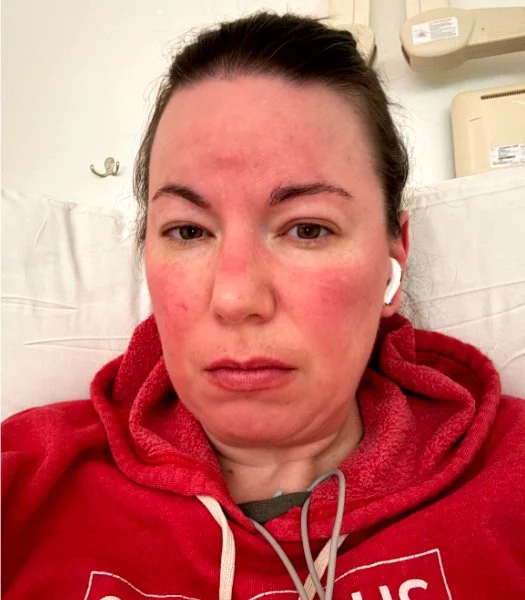
During my ketamine infusions, my face turns red. That’s where my pain is.
It is important to understand that everyone reacts to ketamine differently. Some patients receive relief while others do not. There is no way to know how you will personally react.
During the infusion, many feel like they are floating, detached or disassociated from their body, or are in a dream-like state. You may experience sensory issues, both auditory and visual sensations could be intensified. Feelings of warmth, lightheadedness, and dizziness are common during infusion. Emotionally, you could have feelings of euphoria, feel relaxed, or may have an increase in anxiety. Cognitively, you could have moments of clarity or feel like a weight has been lifted off your shoulders.
Many patients will listen to music during their infusion. I was encouraged to listen to binaural beats. When listening to binaural beats by headphones, they create an auditory illusion of the brain by listening to two different frequencies, one in each ear.
Binaural beats (Alpha for relaxation and Theta for deep meditative states) during ketamine infusions work to enhance therapeutic effects, help you relax, and reduce anxiety. When building your playlist, ensure you know how long your infusion will be. Speaking from experience, it is disruptive for your binaural beats to stop during your infusion.
Everyone has different experiences during their infusions. Some will see vivid pictures, like they are dreaming. Others see bright colors. If you’re like me, I see dark colors and patterns. One patient had an experience where they were holding their pain in their hands looking where to put it. Their nurse walked in and took their pain and walked away. Afterwards, the patient woke up with no pain.
If you become anxious or scared during your infusion, reach out to your nurse. In many cases, you have a dedicated nurse with you for the entirety of your infusion. They are there to monitor your vitals and ensure you are doing ok. Your nurse can help assure you that you are safe both mentally and physically.
Note: It is not uncommon for Trigeminal Neuralgia patients to have an increase in their pain during and after ketamine infusions. Pain could escalate for a few weeks afterwards.
Tip: If you have a pain flare or stressful event after your ketamine infusion, listening to the same binaural beat playlist you listened to during your infusion will help lower your pain and stress. It’s a nice trick to tell your brain to calm down.
How do you feel after the infusion?
I am able to tell when my infusion is coming to an end. I start to feel like my body is getting heavier and the feeling of floating becomes less. You become aware of your body lounging in your infusion chair and become more aware of your surroundings. When it’s time to “wake up” your nurse will gently wake you and help bring you back to reality.
After the infusion is complete, you come down quickly. You are only “high” while the ketamine infusion is active. Once I take my mask off my vision is doubled and unclear. I find myself blinking a lot to try to bring my eyes back to focus. I will also move my feet to help ground myself. After a few minutes I am back to my normal self.
Since you cannot eat or drink before the infusion you are now offered a drink and a snack. I usually ask for ginger ale and graham crackers which I tend to devour quickly.
After a last vital check and IV removal, you are escorted out to your loved one that is waiting for you and off you go. My first few infusions were a little jarring. I knew I was walking but didn’t feel like I was moving properly. The more infusions you receive the easier it is to function afterwards. Your brain still isn’t back to its fully functioning self, so understanding the bathroom door is a pull instead of a push tends to cause some frustrations (true story and I tried opening the door the wrong way for much longer than I would like to say).
You are not allowed to drive after your infusion and will need a carepartner waiting for you to be released. Most facilities want your carepartner to be present and ask that they stay in the waiting room during your infusion in case there are any issues.
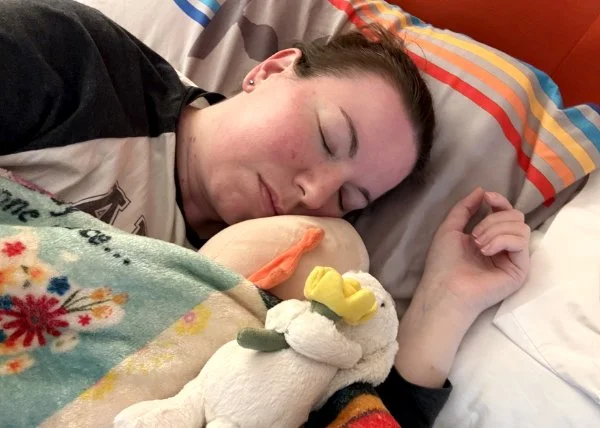
After infusions I am tired and take a nap for a few hours. Expect to be tired for the next few weeks.
I get tired after my infusions and I like to lay down and take a nap for an hour or two. You feel a bit loopy for a few hours (for me) after the infusion and I usually have a nice, restful nap. I also find that my body is more exhausted for about two weeks after the infusion and I sleep more. Give your body the time it needs to rest and heal.
A few weeks after the infusion, I meet with my doctor to review how the infusion went, how I feel, and to discuss any issues or concerns I may have. We also discuss positive outcomes and experiences. From here, we determine when my next round of infusions will be and any next steps.
My Gear for Ketamine Infusions
During my infusions, I wear a sleep mask, use Apple AirPods, listen to binaural beats on my phone, put a dab of lavender under my nose, and bring my pain bunny (a small stuffed bunny that fits nicely in my hand and offers comfort).
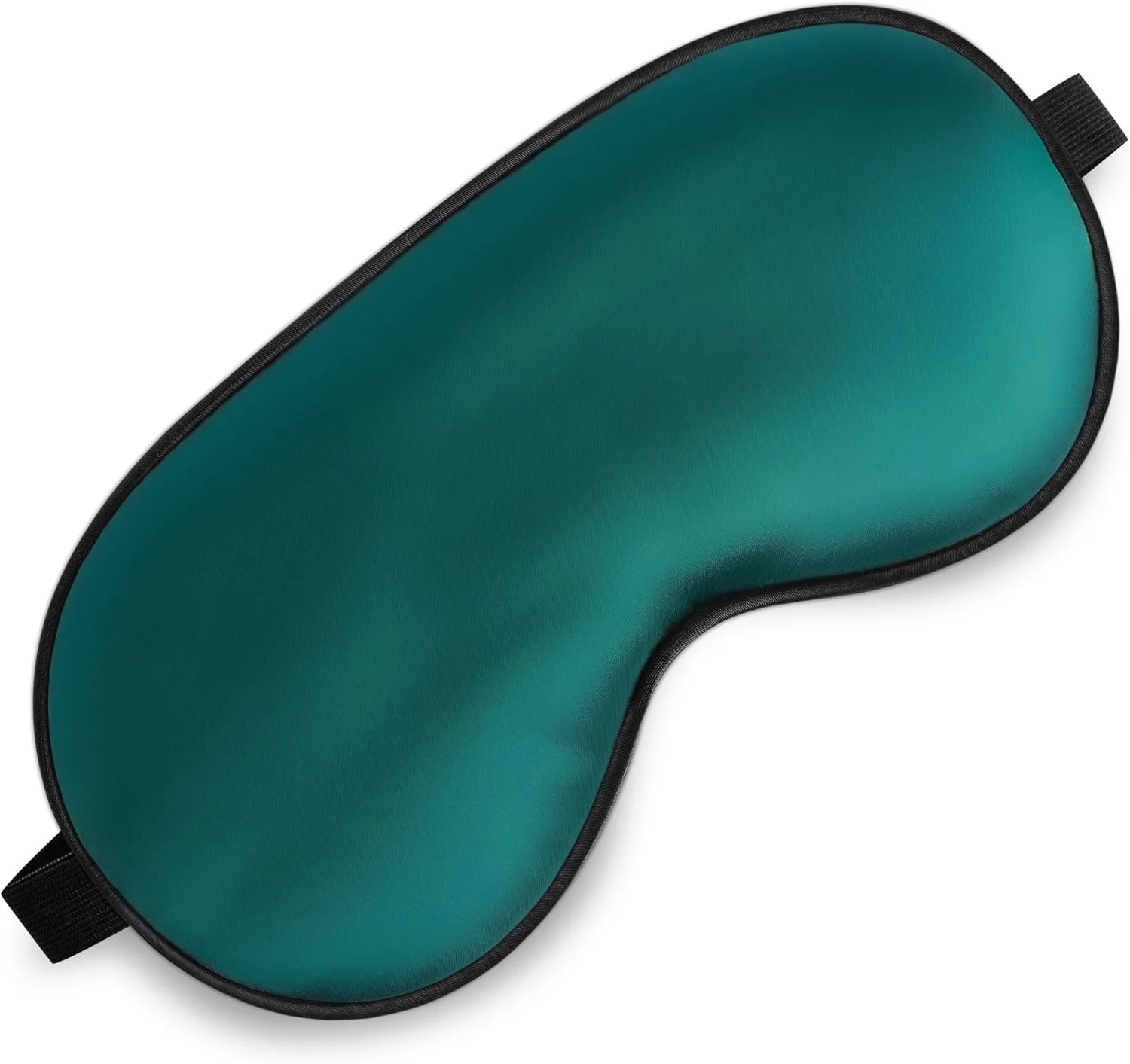
Sleep Mask
Ketamine infusions work best when you are in the dark. Use a comfy sleep mask to help block out the light and enhance your experience.

Apple AirPods Pro 3
AirPods fit comfortably in my ears to listen to my binaural beats. AirPods also have amazing noise cancelling capabilities.
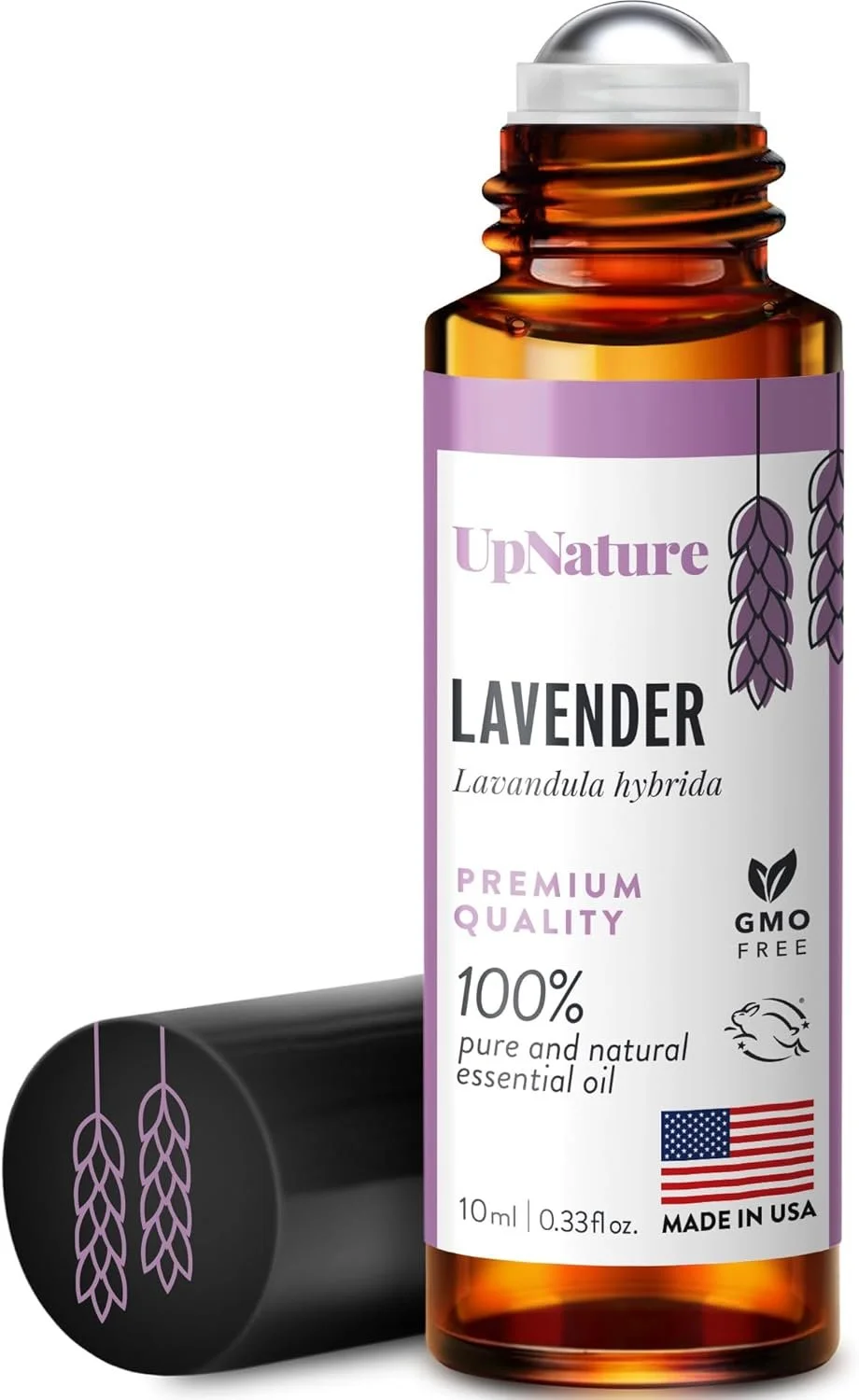
Lavender Essential Oil Roller
Lavender is scent that soothes me, helps lower my pain, and calms my anxiety. I add a bit to my wrists and a dab under my nose for infusions.
This post contains affiliate links. If you purchase through them, I may earn a commission at no extra cost to you.
