
Dental Tips for Trigeminal Neuralgia
When your teeth, gums, and tongue are affected by Trigeminal Neuralgia, it’s not only difficult to eat, but it’s also difficult to take proper care of your teeth. Dental hygiene is important, even when it’s challenging to maintain. When your teeth are throbbing nonstop, your gums are inflamed, and your tongue is on fire, the last thing you’re thinking about is brushing your teeth.
I’ve suffered through brushing my teeth. Screaming and moaning as I try to brush as lightly as possible. Brushing, even poorly, has to be better than not removing the plaque and bacteria from my mouth, right? Having to undergo dental work or lose a tooth has to be worse, right? When reality sets in, and you realize you can’t open your mouth enough to get a toothbrush in or the pain is simply too great to even care about proper dental hygiene, what do you do then?
My dentist has given me a plan to help keep my teeth and mouth safe, even when dealing with Trigeminal Neuralgia.
Dental Tips for Trigeminal Neuralgia
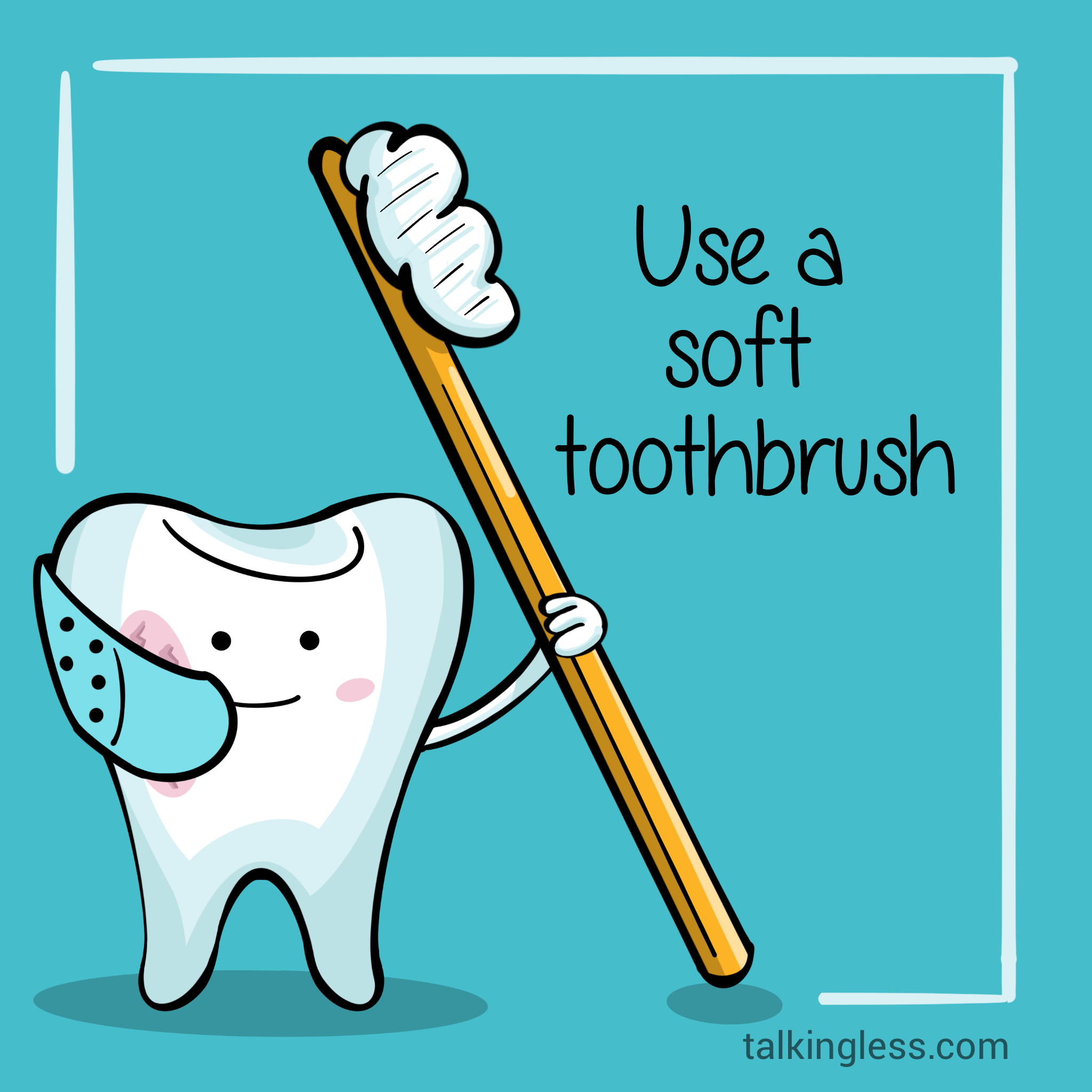
Use a Soft Toothbrush
There are soft toothbrushes, and then there are soft toothbrushes. I’ve tried many so-called “soft” toothbrushes, but I fell in love with Colgate’s Ultra Soft Sensitive Expert toothbrush. Saying it’s soft is an understatement. The bristles look so soft that they look like they are moving even when it’s not in use. The bristles are gentle on your teeth yet get the cleaning job done. When my teeth are really throbbing, the bristles don’t make me cry out in pain like other toothbrushes.
My only complaint is that the head of the toothbrush is a bit too large. Trigeminal Neuralgia greatly affects my ability to open my jaw. The plastic head on the toothbrush is a bit bulky on days when I can’t open my mouth well, which is honestly most days.
On good days, meaning my teeth don’t feel like they are throbbing their way out of their sockets, I use a gentle electric toothbrush to ensure a good cleaning. The Philips Sonicare Battery Toothbrush has been my go-to for good days. The bristles are softer, and the head of the toothbrush doesn’t require me to open my mouth too much. I make sure to clean my teeth as best as possible, but sometimes I need to turn off the vibrating feature on the right side of my mouth and lightly brush on my own, as it can irritate my sensitive teeth. Even when that happens, I feel comforted in knowing that my teeth received a good cleaning and any plaque and bacteria that may have been building up have been removed.
Use Toothpaste for Sensitive Teeth
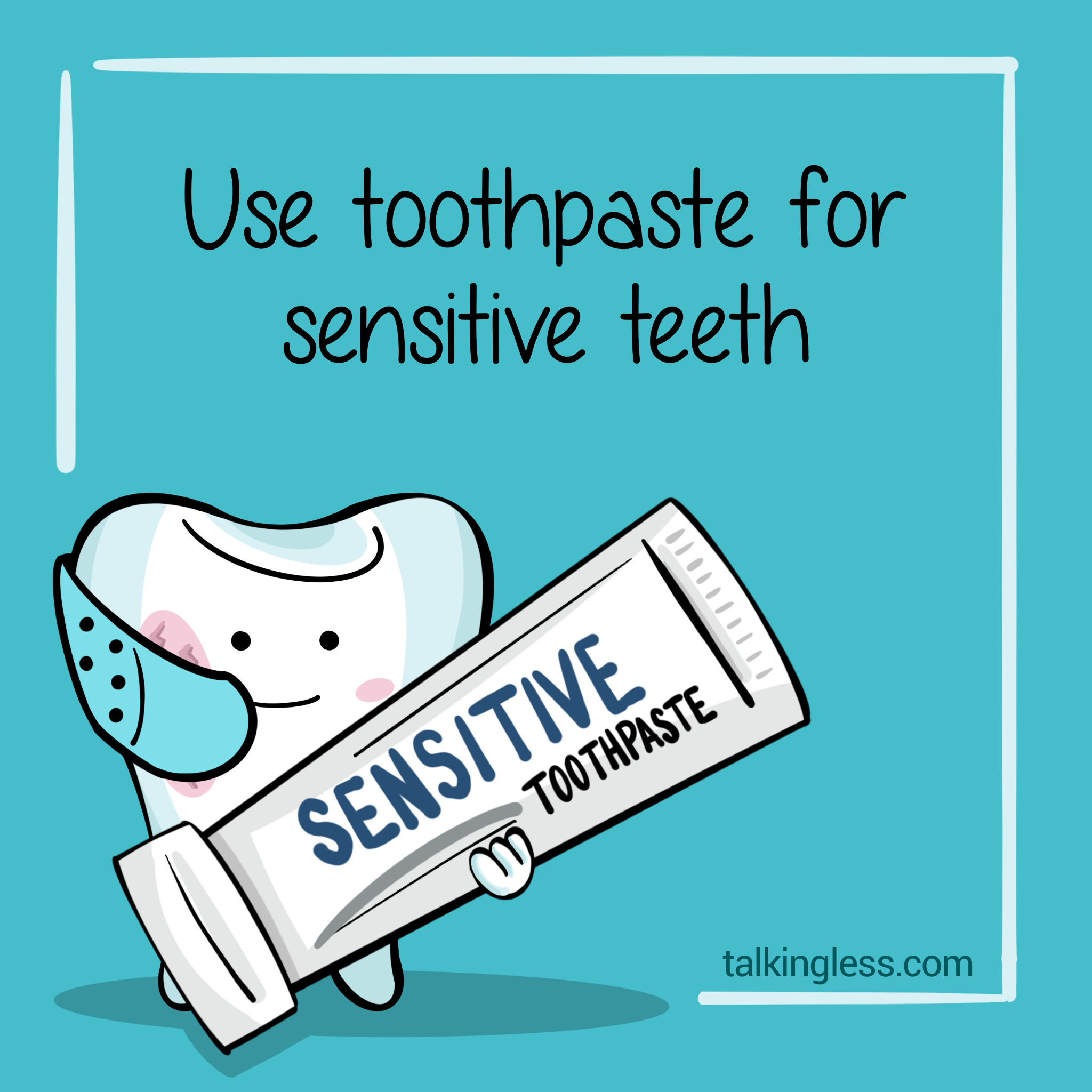
Sensodyne is my go-to toothpaste; I’ve been using it for years without complaint. On top of dealing with Trigeminal Neuralgia symptoms in my teeth, my teeth are also sensitive to the cold. It’s formulated to reduce tartar build-up, whitens your teeth, and contains fluoride to help fight cavities. The cool mint flavor freshens your breath, and your teeth feel clean. Caution: not all of Sensodyne’s toothpastes taste great. I prefer Sensodyne Extra Whitening Sensitive Teeth and Cavity Prevention Whitening Toothpaste as it has the best flavor.
Floss on Good Days
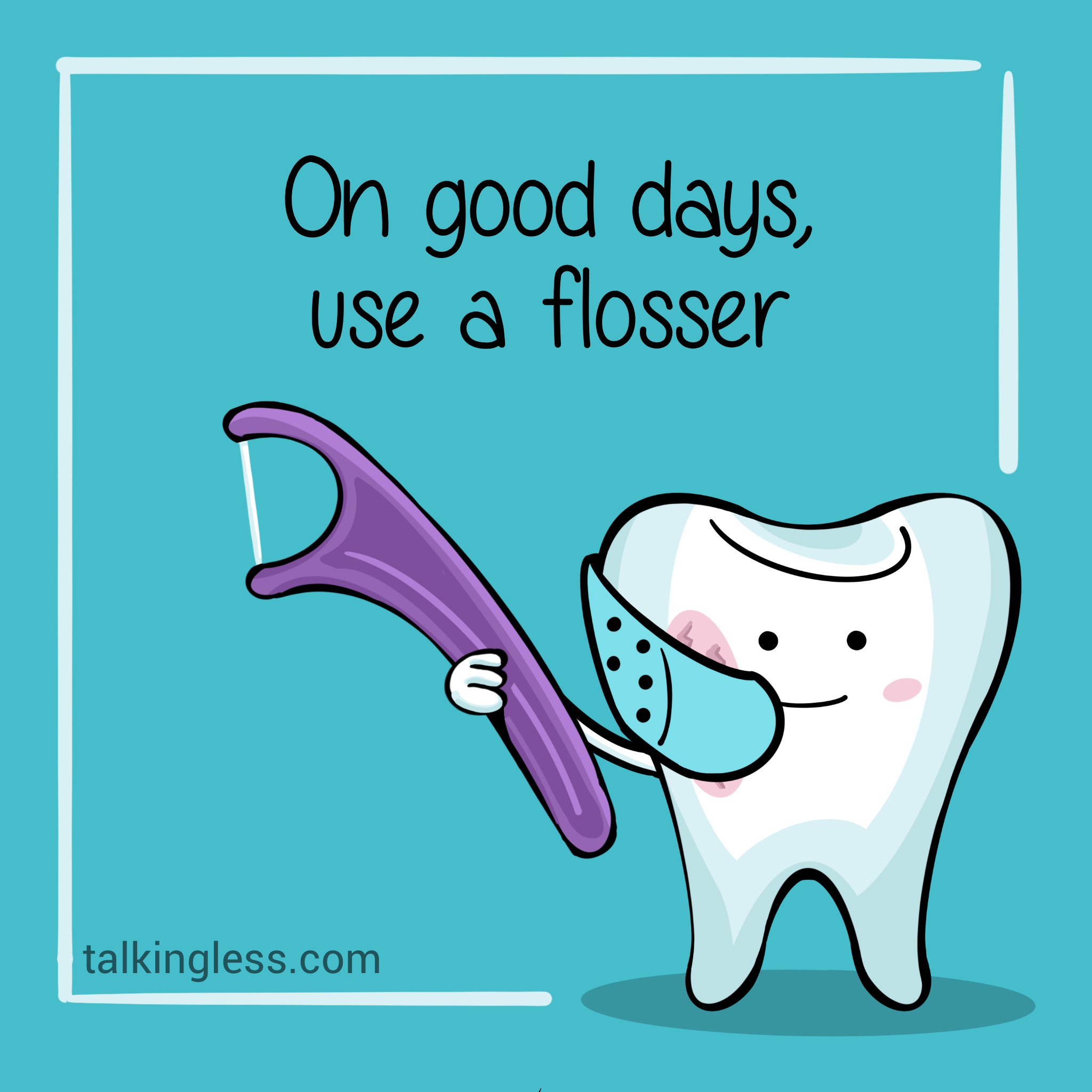
Floss, yeah right! Like that will ever happen when my teeth are throbbing so much, I swear I can feel them hitting the teeth next to them. I can’t floss every day; it’s simply not possible. I’ve had many discussions with my dentist about flossing. I understand how important it is to remove that leftover gunk from between your teeth daily. I’ve tried different types of floss. I’ve tried using a water pick at my dentist's recommendation, and man, did that really not work! I found a water pick to be too aggressive and really set off my teeth for even more pain.
Using traditional floss strings is complicated. I have to be able to open my mouth wide enough to not only get the floss in, but also somehow figure out how to get my hand in there enough to guide the floss. My jaw doesn’t open enough to allow that to happen. Instead, on good days, I use GUM Professional Clean Floss Picks. Flossers are easier to maneuver in my mouth and don’t require me to open my jaw as much as traditional floss. I will admit, I can’t always floss on the right side, but I do it when I can.
Rinse with Peroxide and Water on Bad Days
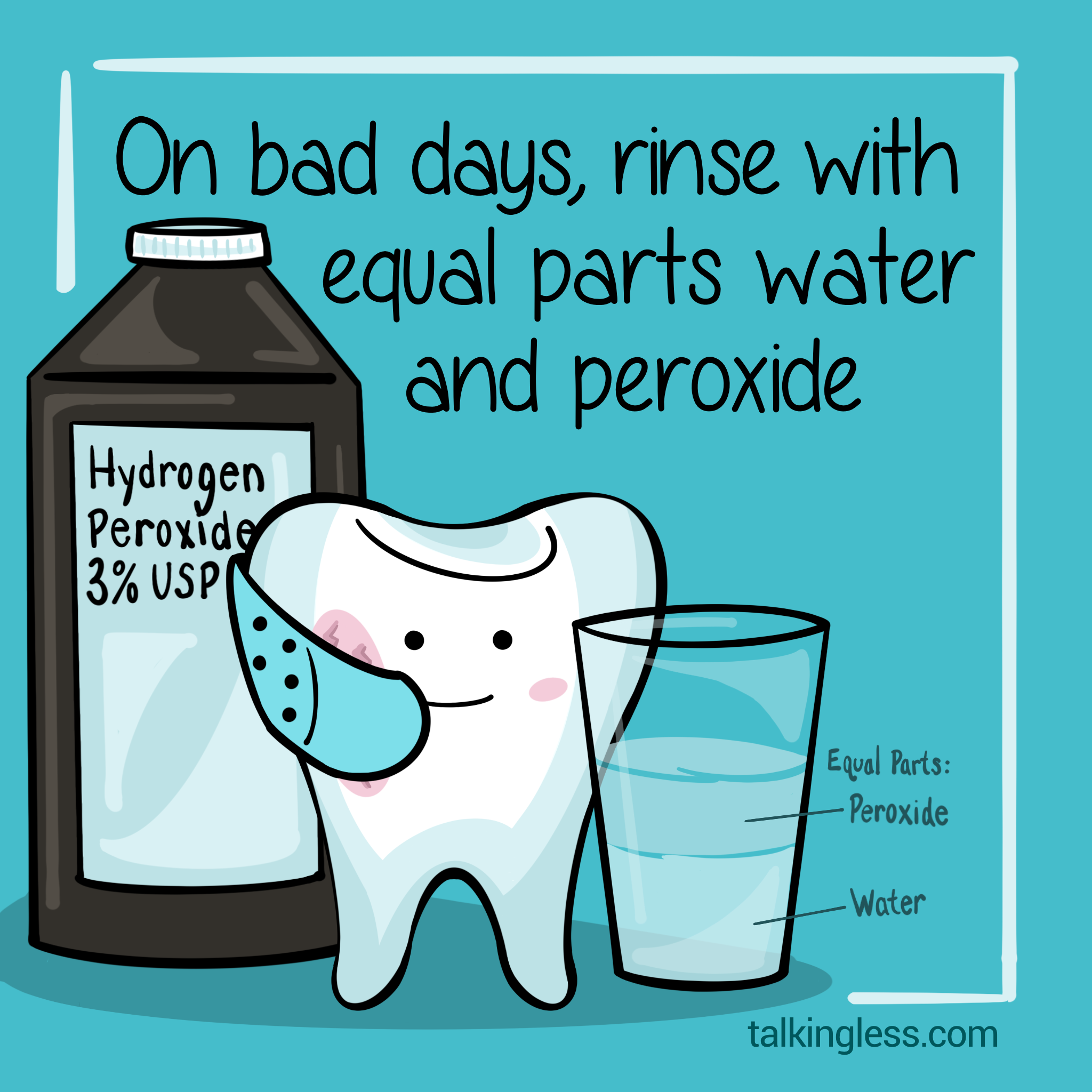
There are days when I can’t brush my teeth at all. Sometimes there are times when I can’t brush my teeth for several days in a row. When this happens, not only does your breath smell and taste disgusting, but your teeth feel furry and gross. At bedtime on my bad days, my dentist told me to swish and rinse my mouth with a solution of equal parts Hydrogen Peroxide and water. I fill a little cup with a few ounces of water and add an equal(ish) amount of peroxide. I add a little of the mixture to my mouth at a time, swish it around, and spit it out. I repeat this process until the cup is empty. The peroxide works to kill the bacteria in your mouth. Don’t be alarmed if the peroxide turns a little foamy in your mouth; that just means it’s working and attacking the bacteria. The aftertaste isn’t always great, but it’s worth it knowing that your mouth and teeth are cleaner and you hopefully won’t develop cavities or other issues. My dentist advised me that I can do this for a few days in a row without worrying about brushing. Trust me, it helps. I was also advised that it’s best to rinse with peroxide and water after brushing, as well at nighttime for healthier teeth and mouth instead of using mouthwash, which can be harmful to your teeth.
Do you have any dental tips you’d like to share?
Reach out and let me know. I’m always interested in learning and trying new things!
This post contains affiliate links. If you purchase through them, I may earn a commission at no extra cost to you.
