
Advocating on Capital Hill for Trigeminal Neuralgia
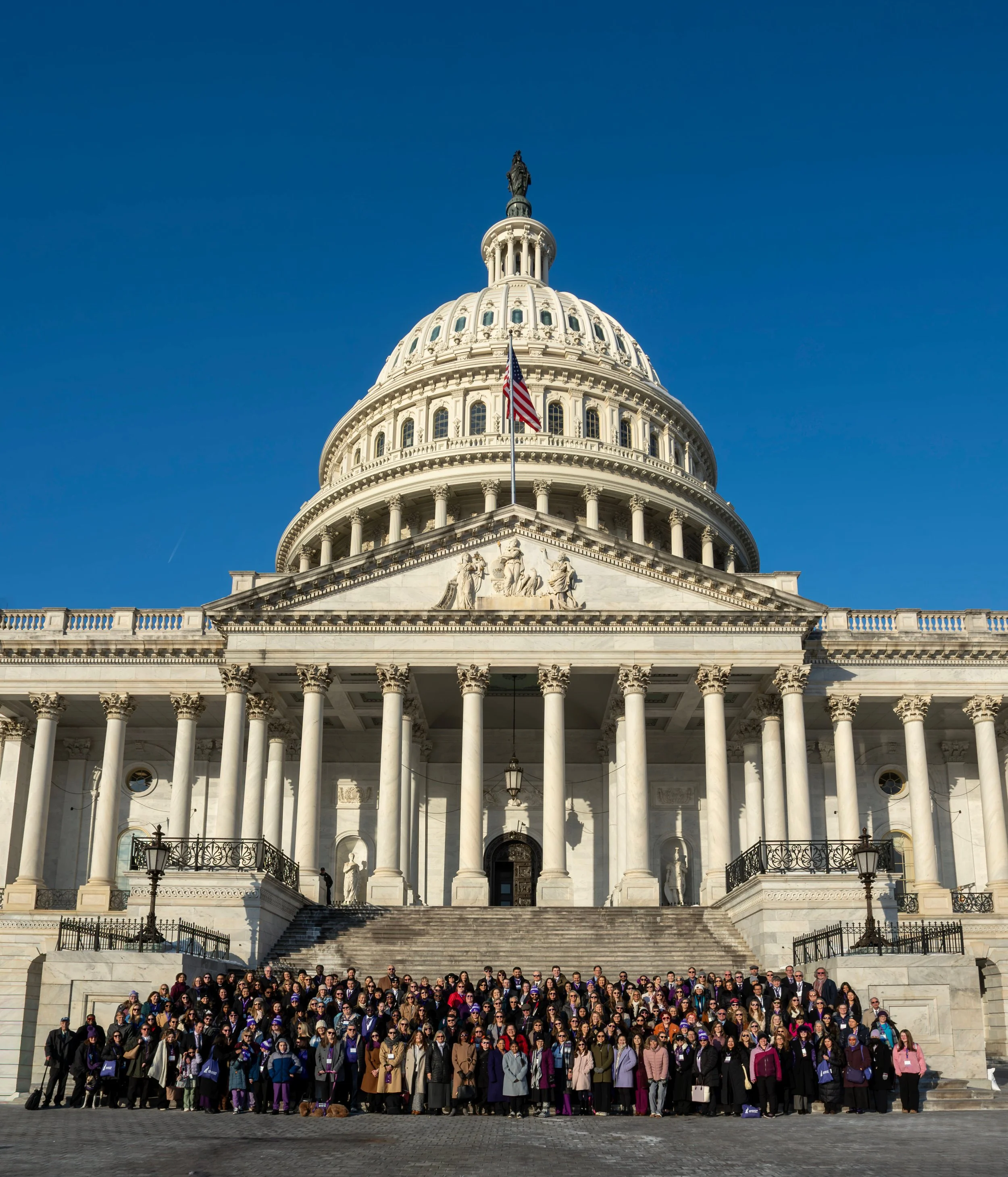
Headache on the Hill Advocates, February 2026
I never thought I’d be an advocate. I never thought I would have to be one. Turns out, I am advocating every day; for what I need, for medical tests and procedures, for medications, for others fighting from chronic illnesses.
Sharing my story is a huge step for me (creating a blog and letting people into my secret life is so not me). I like to be a private person. Sharing has taught me that I’m not alone, there are others like me that also need to know they are not alone. Bringing awareness to rare, chronic issues, like Trigeminal Neuralgia, is needed. If we, as a chronic illness community, want to be seen, want better care, want our friends and families to understand, then we have to speak up and come out of our comfort zones.
I am an advocate with the Alliance for Headache Disorders Advocacy and attended my first Headache on the Hill in February, 2026 in Washington, DC. Along with roughly 300 advocates from 48 states, we shared our stories and directly asked Congressional members to support our healthcare needs.
Advocating is huge. You want change to happen, you have to ask for it. I tell my kids you never know what will happen unless you ask and put yourself out there. I was excited and nervous to attend. I couldn’t let the constant barrage of ‘what if’s’ take over. What if my pain becomes so bad I cannot talk? What if my face is so red everyone just stares at me? What if I stumble on my words? What if my body shuts down and I can’t continue? More importantly, I tried to focus on what if I tried and I helped make a difference?
About Headache on the Hill
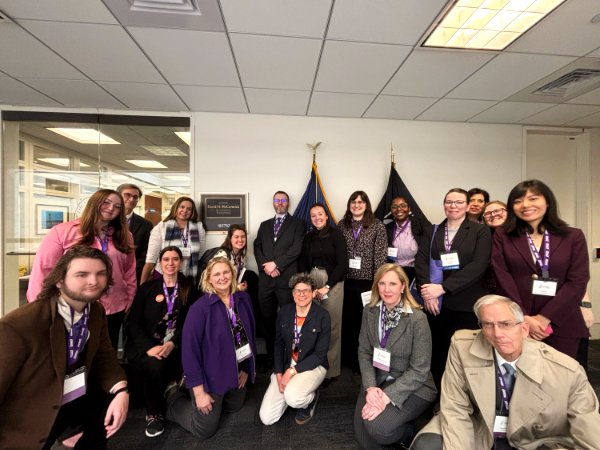
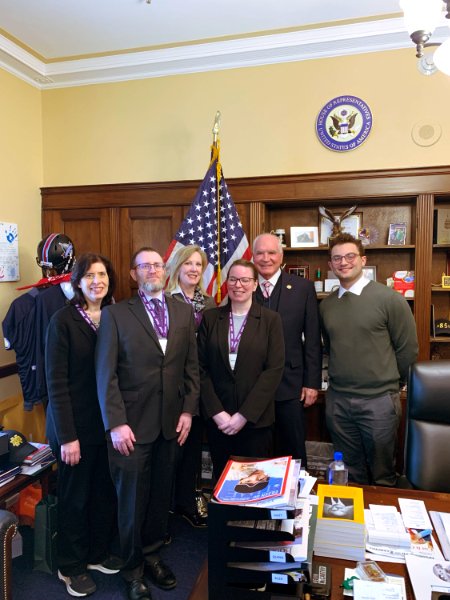
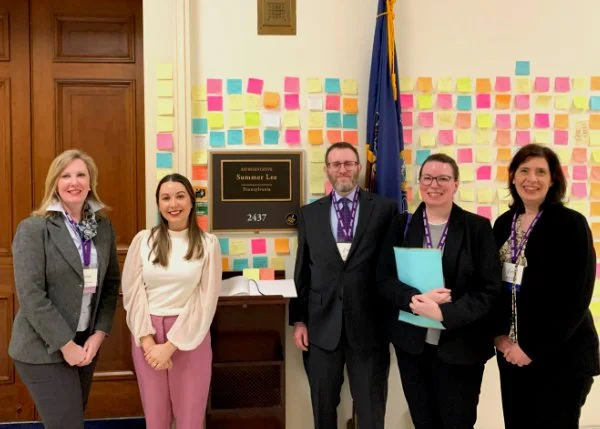
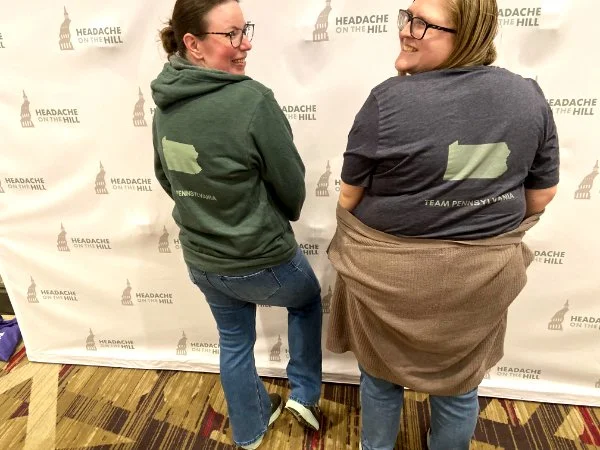
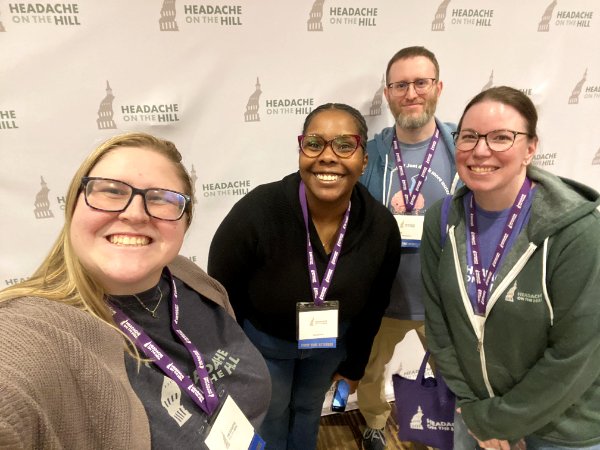
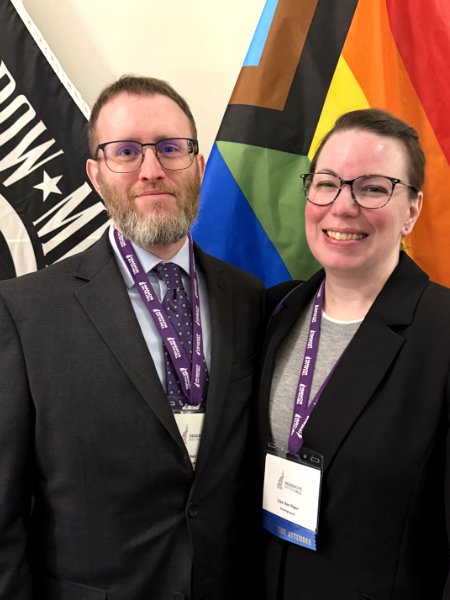
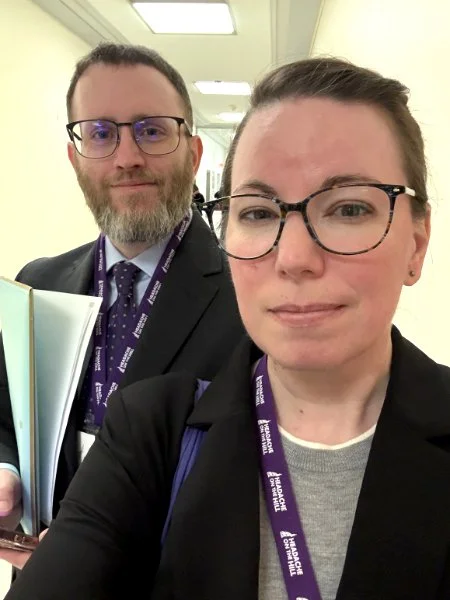
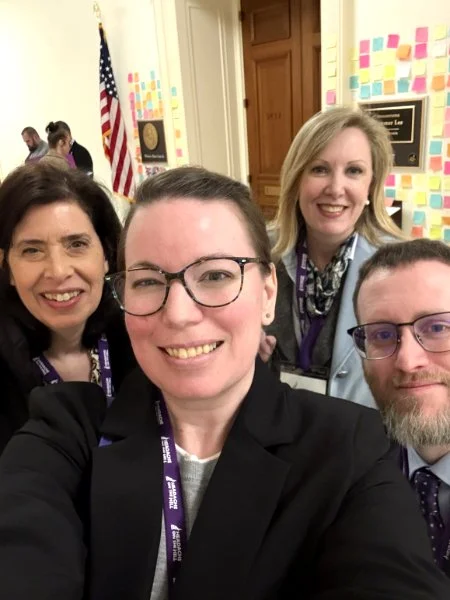
I attended the Spring Headache on the Hill, which is a two-day event held in Washington DC. Over 300 attended the event, made up of patients, providers, caregivers, and researchers from across the country.
On the first day, there was networking, breakout groups, and training opportunities to attend. We got to share what our needs are, how to use our voices to tell our stories with the media and Congressional members. You learned you are not alone.
I felt at ease being around others with headache disorders, such as migraine, cluster headaches, trigeminal neuralgia, and occipital neuralgia to name a few (did you know there are over 200 headache disorders‽).
I am used to being the only one in the room suffering from severe pain, trying to mask my issues and put a smile on my face, pretending I am ok. The great thing about advocating with a group that understands you is that they also take care of you. This is a place where I can be myself and not hide. Everyone around you is suffering in one way or another. Everyone is pushing themselves to take part in something bigger than themselves. A calming room was set up at our venue so you could take a break and rest.
Any time I met someone that also had Trigeminal Neuralgia I was ecstatic, as was the other person. There are no words to express what it’s like to be surrounded by people just like you. One usually doesn’t celebrate their diagnosis, but we exchanged high fives, hugs, and smiles. We exchanged contact information and became instant friends. We were no longer isolated.
The second day is spent on Capital Hill meeting with Congressional members in their offices. We met with both House and Senate representatives from our state and the districts we reside in. Meeting times varied between 15 to 30 minutes. My group had six meetings in total which made for a busy day. Overall, we walked about six miles going back and forth between House and Senate buildings. Make sure you have comfortable shoes, water, and pace yourself.
During each meeting, we met with the representative's aid, the representative themselves, or both. After introductions, we shared a story about living with a headache disorder. Each member of our group has their own unique story to share. We then discussed the Acts we were asking the representative to sponsor and sign on to. The asks were the HEADACHE Act, the Safe Step Act, and the CONNECT for Health Act. By sharing our stories and reviewing the acts, we can tie the need for sponsorship together to help those suffering from headache disorders.
When the event is over, you feel empowered. You were part of something much larger than yourself and you made a difference. No one can ever take that feeling away from you.
The Asks of Congress
Headache Education, Access, Diagnosis, and Care Health Equity Act (HEADACHE) H.R. 5536
Migraine and headache disorders are chronic disabling conditions that cost the economy billions each year. There are over 40 million Americans suffering with headache disorders.
There are limited pharmacological and non-pharmacological treatment options and a need for funded research. Headache disorders receive 0.2% of National Institute of Health (NIH) funding despite being one of the world's top causes of years lived with disability. NIH spending is roughly 46x higher for Epilelpsy, 117x higher for MS, 173x higher for Parkinson’s, and 360x higher for Alzheimer’s and related Dementias.
The HEADACHE Act is needed to create a coordinated, time-limited initiative at HHS with a national plan, annual reporting to Congress, cross-agency data work, and an expert advisory council. This is a proven model Congress has used for a national-plan approach for other diseases, including Alzheimer’s and Parkinson’s.
Safe Step Act H.R. 5509 / S.2903
The “Safe Step Act” is a bi-partisan bill which seeks to address medical concerns associated with step therapy and would require health insurers and group health plans to grant exceptions for step therapy protocols in medically appropriate cases.
Step therapy, or “fail-first requirement”, allows a health insurer to deny coverage for a prescribed medication or treatment until an alternative insurer-approved treatment is first attempted. To the health insurer, this cuts treatment costs, but for many patients it delays needed treatment. Step therapy protocols may also ignore a patient’s unique circumstances and medical history. Meaning, patients may have to use medications that have previously failed or could have dangerous side effects.
Creative Opportunities Now for Necessary and Effective Care Technologies for Health Act (CONNECT for Health) H.R. 4206 / S.1261
The CONNECT for Health Act would permanently permit the telehealth flexibilities that were implemented during the COVID era for Medicare patients. Additionally, new benefits would be added to further expand telehealth and remote patient monitoring:
The bill would remove geographic restrictions on Medicare allowing beneficiaries to receive care regardless of where they live
Patients in rural and underserved areas will have access to more physicians
The requirement for unnecessary in-person visits
Neurologists and headache specialists are difficult to find, especially in rural areas. Travel can be burdensome and triggering for headache patients, making Telehealth can be especially helpful.
How You Can Help
Send A Message to Your Elected Officials
By sending a message to your elected officials, you can reinforce the advocacy happening on Capitol Hill and demonstrate that headache health is a priority for communities across the country.
We encourage you to personalize your message. Sharing how headache disorders affect your life, your family, or your patients helps lawmakers understand the real-world impact of these policies and why action is urgently needed.
It takes just a minute to send a message to your elected officials and support these priorities:
👉 Message your elected officials
Advocate with Headache on the Hill
Twice a year, The Headache Alliance (THA) and the Alliance for Headache Disorders Advocacy (AHDA) host Headache on the Hill. The event is helped virtually in the fall and in-person, in Washington DC, in the Spring. The event brings together patients, providers, caregivers, and researchers from across the country to advocate to Congressional members about headache disorders.
👉 Get involved with Headache on the Hill
What I’ve Learned
If you want change, you have to ask for it. In the bigger picture, no one is looking out for you except you. Finding ways to speak up, even when speaking is hard, helps raise awareness. Awareness brings change. Change can mean relief. For me, more importantly, it means someone just being diagnosed with Trigeminal Neuralgia or other headache disorders may have an easier path to follow, one with compassion and kindness.
Raising awareness doesn’t have to mean traveling to Washington DC to advocate to Congress. Speak up in your doctor's appointments and make sure your provider truly understands your symptoms and needs. Speak up with your family and friends so they can better understand the pain you are enduring and how they can help you. Get involved with support groups and the local community to share your story.
I am looking forward to advocating in the future with Headache on the Hill and being part of making a difference for those like myself who are suffering from headache disorders, like Trigeminal Neuralgia.
